Inside Passion Labs: How This London Startup is Redefining AI

In the heart of London, amidst the bustling streets and sleek office towers, a quiet revolution is underway; Passion Labs, a young AI research and development laboratory, is reshaping the way businesses think about artificial intelligence. The results are turning heads. From AI-augmented music discovery to AI-powered structural engineering, this ambitious startup is proving that AI is not just a buzzword; it’s a tool for tangible, transformative change.

A Global Team With a Local Pulse

Tom, the CEO of Passion Labs, sits in the Venture X White City office, reflecting on the past fourteen months of rapid growth. “We’ve gone from one person – me – to a team of eight in just over a year,” he says, the excitement in his voice palpable. “We’re international by design. Our commercial team is here in London, but our technical brains are in Spain and Greece. People are flying in and out constantly, but it works brilliantly. Within a six-mile radius, we can generate millions in turnover. That kind of agility is rare, even in a global city.”

The lab’s international setup isn’t just about logistics; it’s about culture, collaboration, and diversity of thought. Tom’s team is made up of PhD research scientists and machine learning engineers, who bring decades of combined experience to the table. “We’ve deliberately surrounded ourselves with the best minds in the field. We never cut corners. Passion is the baseline,” Tom explains. “Some of the projects we tackle are incredibly complex, and it’s the quality of our team that allows us to deliver solutions that genuinely make an impact.”

From Music Discovery to Structural Engineering

What makes Passion Labs stand out is their ability to translate AI into real-world business solutions. Take the example of a record label that was struggling to identify emerging artists. Their teams spent countless hours scrolling through TikTok, Instagram, and Spotify, trying to find new talent. “They asked us if there was a better way,” Tom recalls. “So we built an AI-based crawling agent that could surface up and coming artists, analyse social engagement and comments, and highlight the ones likely to go viral. It saved masses of time, expanded their reach, and uncovered talent they’d never have found otherwise.”

But the possibilities don’t stop at music. Structural engineers, for instance, spend weeks converting architectural drawings into 3D models to design buildings safely and efficiently. Passion Labs has developed a tool that drastically reduces that time, automating the analysis of beams, columns, and glass placements – all while ensuring precision. “Time is one resource we can never get back,” says Tom. “AI allows us to optimise it, creating efficiencies that ripple through an entire business.”

Building a Profitable Business From Day One

Tom’s entrepreneurial journey began long before Passion Labs. Having run wellness and CPG businesses, including a CBD brand, he understood the pitfalls of product-focused ventures. “I’ve been in businesses that lost money for long stretches,” he says. “With Passion Labs, we were determined to be profitable from day one.”

This approach is rare in the tech world, especially among AI startups. Tom and his co-founder, Dr Kroher, deliberately avoided committing to a single product at first. “AI evolves so rapidly that a product can be out of date almost immediately,” Tom explains. “We spent the first year understanding how the technology would evolve. That’s allowed us to stay ahead of the market and remain flexible, building systems for different industries and learning new methods along the way.”

A Philosophy Rooted in People, Data, and Fun

Tom credits the company’s rapid success to three key pillars: people, numbers, and enjoyment. “People are the most crucial element in any business. Surround yourself with great people, and the rest falls into place,” he says. “Next, numbers matter. You need to understand your pipeline, analytics, cash flow, and what drives your business. And finally, you need to have fun. Running a business can be challenging – there are sleepless nights and hard decisions – but if you’re not motivated and enjoying the journey, you’re doing the wrong thing.”

This philosophy extends to how the lab approaches AI itself. “We’re not selling AI; we’re selling efficiency and growth,” Tom says. “When we worked in CBD, we weren’t selling the product – we were selling sleep, relaxation, and wellbeing. In AI, we’re providing tools that let businesses achieve things they couldn’t do before. That’s the true value.”

Understanding the Broader AI Landscape

Despite the recent explosion of interest in generative AI, Tom emphasises that AI is far from new. “Artificial intelligence has been studied since the 1950s, beginning with Alan Turing and John McCarthy,” he explains. “It’s evolved incrementally over decades – from Deep Blue in the 1990s to Alexa, AlphaGo, and beyond. What we’re seeing now is a convergence: transformer architectures, large-scale data, and computing power coming together to create generative AI. But this is the tip of the iceberg. The blue ocean of opportunity in AI is enormous.”

Tom points out that AI has been transforming daily life in ways most people haven’t noticed. “From optimising delivery logistics to predicting demand in e-commerce, AI is embedded everywhere. But the real opportunity is in solving previously intractable problems – problems that businesses didn’t even know could be solved until now.”


Opportunities, Challenges, and the Future of Work

AI is generating excitement, but also concern. Many worry about job displacement and ethical issues. Tom acknowledges the risks but remains optimistic. “Yes, there will be disruption. Jobs will change. But AI is also the greatest force amplifier for human ability we’ve ever seen. It will create new roles, unlock creativity, and allow humans to focus on higher-value work.”

He’s clear about the limits of the current technology. “These systems are powerful but still machines. We’re not yet at artificial general intelligence, where machines autonomously improve themselves. Responsible AI and safe practices are critical, and we’re committed to that.”

Tom also highlights AI’s potential to transform healthcare, education, and climate science. “Imagine hyper-personalised medicine, customised education for each learning style, and faster breakthroughs in fusion energy or climate solutions. The possibilities are staggering. It’s the fourth industrial revolution, and humans and machines working together will unlock potential we’ve never seen before.”


The Work Environment That Inspires Innovation

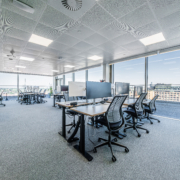
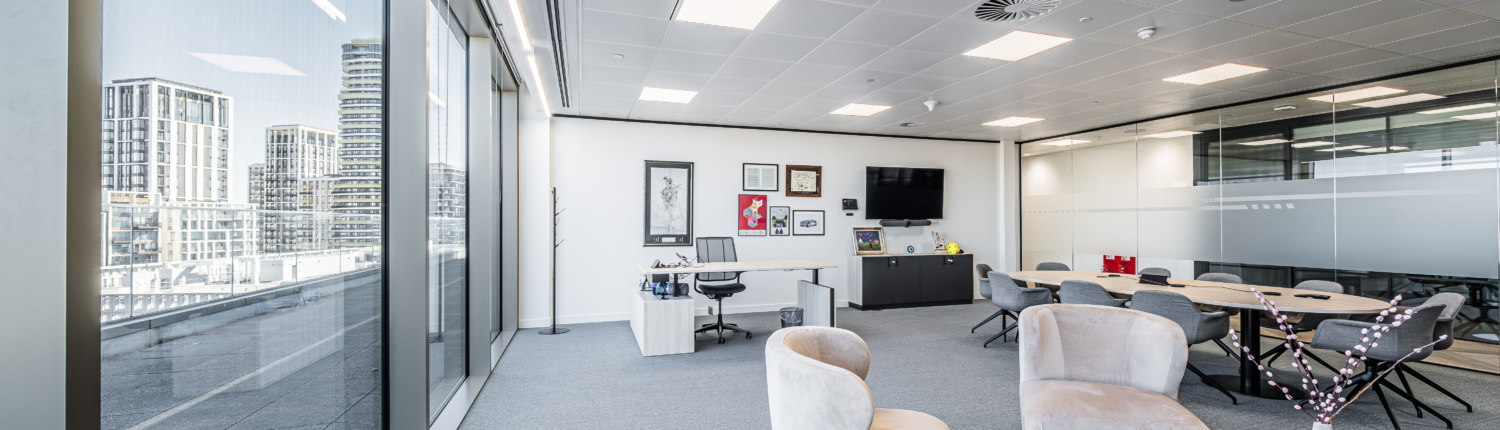
Even the workspace reflects Passion Labs’ philosophy. Located near Westfield in London, the office combines modern amenities with natural light and open spaces designed to encourage collaboration. “Shared spaces breed creativity,” Tom says. “Being around other companies, meeting people, and having access to great facilities makes a real difference.” The environment is as much a tool for innovation as the AI they develop.


Looking Ahead: Scaling and Licensing AI Solutions

What’s next for Passion Labs? Expansion. The team plans to raise capital in 2026 and scale into verticals and managed services. “We’ve already built tools in areas like agriculture and adtech that we can license to multiple clients,” Tom explains. “It’s about solving fundamental problems, not just launching a single product. Each solution can be adapted and licensed to create broad impact.”

Tom’s vision is ambitious but measured. “We don’t chase every opportunity. We focus on projects that align with our mission and can deliver real impact. It’s about quality over quantity, solving meaningful problems, and enabling our clients to achieve more than they thought possible.”

Lessons for Entrepreneurs and the Future of AI

Tom’s story is a roadmap for modern entrepreneurship. Prioritise people, understand your data, and enjoy the journey. Build with flexibility in mind, and never underestimate the value of solving real problems. AI is not just a technological frontier – it’s a tool to amplify human potential, a catalyst for creativity, and a driver of efficiency across industries.

For Passion Labs, the journey has only just begun. With a talented team, a flexible approach, and a vision rooted in real-world impact, the London-based lab is poised to shape the future of AI, and the way humans and machines work together.

Passion Labs exemplifies the power of intelligent, human-centred innovation. By marrying technical excellence with commercial savvy, Tom and his team are demonstrating that AI is more than hype, it’s a practical, transformative force.

Whether it’s discovering the next musical sensation, optimising complex engineering workflows, or licensing breakthrough AI solutions across sectors, Passion Labs is making AI tangible, useful, and, ultimately, human.

What’s happening with the Central London office market?

The Central London office market is undergoing a profound transformation. Vacancy rates are rising, and demand is increasingly focused on high-quality, sustainable workspace. Investors and occupiers face a tough choice: either commit to ultra-premium buildings at record rents that fit questionably-motivated ESG guidelines, or settle for ageing secondary stock that fails to impress anyone. For entrepreneurs and small businesses especially, these extremes create a dilemma that traditional Central London offices cannot resolve.

The broken Central London office market

Central London’s market is marked by a flight to quality. Take-up in August 2025 reached 0.7 million square feet, driven by several large occupier transactions. Major deals above £50 million signalled renewed investor appetite for prime, income-producing assets. Secondary offices, by contrast, continue to struggle as tenants bypass outdated buildings in favour of sustainable, best-in-class space.

Vacancy rates highlight this split. The West End’s Grade A market maintains a vacancy rate of just 1.4 percent, while the City’s Grade A vacancy tightened to around 2 percent. Meanwhile, older secondary stock sits vacant as occupiers concentrate on greener, better-connected buildings.

Headline rents reflect the premium placed on top locations. Prime West End offices commanded approximately £162.50 per square foot in mid-2025, and City prime rents stood near £88.50 per square foot. Meanwhile, trophy assets in Mayfair and St James’s regularly exceed £160 per square foot. Supply and demand in action.

The key trends reshaping Central London offices

Flight to quality remains the prevailing theme. Tenants increasingly demand Grade A offices with enhanced air filtration, wellness facilities, and sustainable designs. Importantly, it’s not just what’s in the building itself, but where it is too. Location quality drives value, as even with all the fancy amenities, high-grade buildings in poorly connected areas struggle to attract occupiers.

Sustainability and ESG credentials are causing many shifts in the market at the moment. The UK’s net zero commitments and new corporate reporting regulations are compelling landlords to upgrade energy efficiency. More than 80% of London offices currently fall below the EPC C rating required by 2027-28. And, while 2025 saw a surge in completions, new deliveries will drop sharply from 2026 onwards. Much of the space under construction is already pre-let, leaving fewer choices for occupiers seeking ESG-compliant, Grade A Central London offices.

The people who stand to lose the most here are small businesses, who require office space, but who can’t afford to compete with huge multinational corporations for the dwindling supply of compliant offices. Any smaller company wishing to maintain a physical presence in Central London increasingly has to use capital that would otherwise fuel growth, marketing, or talent acquisition. Moreover, the prestige of a City or West End address does not guarantee access to the collaborative culture and networking opportunities critical for early-stage ventures.

…but it doesn’t have to be all doom and gloom, does it? In fact, for smaller businesses or entrepreneurs, there is a very clear alternative.

Why West London Provides a Clear Alternative

West London is probably the best environment for a small business in the entire city taking everything into account. Instead of choosing between exorbitant Central London rents or substandard secondary space, businesses can find modern, flexible work environments at a fraction of the price. It’s so much the case that it warranted its own article!

However, if we had to explain in short why West London is better:

  • Lower costs than Central London, crucial for small businesses.
  • It’s still home to a remarkable array of big business, which is economically beneficial to have nearby. Household names include Amazon, the BBC, Google, Unilever, and… Pokémon. Didn’t expect that one, did you? Neither did I.
  • A remarkably wide talent pool. West London is particularly well educated and one of the wealthiest areas of London. It’s one of the smartest and most modern areas of the city. Just avoid Feltham.
  • There’s an abundance of capital, and a culture of startups. Examples you may know that originated from West London include Deliveroo, Zoopla, Cazoo, and Secret Escapes.
  • It’s exceptionally well connected, with extensive transport links to Central London and Heathrow.

So, um, say you were looking for a high quality, flexible, and affordable place to work from in West London, where would you go? We have an idea. (Is that too on the nose?)

Venture X West London: Coworking that ticks all the boxes

At Venture X West London, we designed our spaces around the priorities of today’s workforce. Our two locations in West London (Chiswick Park and White City) deliver a range of options, from flexible hot desks to small private offices, ensuring that every business finds the right fit without the constraints of a long-term lease.

  • Hot desk membership for maximum flexibility
  • Dedicated desks as a reliable home base
  • Private offices sized for one to ten people
  • Free high-speed WiFi throughout
  • Ergonomic seating and sit-stand desks
  • Unlimited tea and coffee in communal kitchens
  • Regular networking events for members

Our coworking model removes the friction of running an office, letting members focus on their core business activities.

Flexible coworking accommodates fluctuating team sizes and changing work patterns. Whether you need a desk for the day, a dedicated workspace for a month, or a private office for a year, Venture X adjusts to your needs. This fluidity aligns perfectly with hybrid working models, enabling businesses to expand or contract as they need.

Time to look elsewhere?

For many, the allure of a Central London address has evaporated. The market’s polarisation, high rents, and rigid lease structures just don’t work for many. West London offers a compelling alternative. 

Venture X West London delivers modern coworking solutions that meet the demands of hybrid work, sustainability, and growth. If you are evaluating your next workspace, it is time to look beyond Central London offices and discover a smarter way to work in West London.

If you’d like to know more about Venture X, explore our flexible memberships, premium amenities, and thriving business community – all designed to help you grow and collaborate. Contact us to find the right plan for you.


How To Master Q4 Business Preparation

The final quarter of the year, Q4, is almost here. It’s more than just being responsible for seeing hideously early Christmas ads in September. Whether you’re a startup, a small business, or part of a growing team, the last quarter of the year can be crunch time, but also the season where the groundwork you’ve laid all year can really pay off.

So, how is Q4 different from the rest of the year? And more importantly, what should you be doing now to make sure your Q4 business preparation sets you up for success?

Why Q4 Feels So Different

Every quarter matters, of course, but Q4 stands out for a few reasons:

  • Deadlines suddenly become real. All those targets set in January are now looming large. There’s no time left for procrastination; deliverables and KPIs need to be wrapped up before the year ends.
  • Seasonal spending spikes. Containing two of the year’s biggest spending sprees – Black Friday and Christmas – Q4 is when consumer spending hits its peak. Even businesses that aren’t strictly retail can ride this wave by aligning their services with year-end demand.
  • Decision-making accelerates. Many companies want to lock in budgets, partnerships, or deals before the year closes, meaning opportunities can arise quickly, but they’re prone to vanish just as fast.
  • Team energy shifts. The mix of holiday excitement and year-end pressure can be both motivating and exhausting. Leadership has to balance productivity with wellbeing.

In short, Q4 is the busiest, buzziest, and most make-or-break quarter of the year.

What Businesses Should Focus On in Q4

  1. Wrap Up Loose Ends

The first step in Q4 business preparation is housekeeping. That means tying up projects, finalising reports, and clearing any lingering tasks from earlier in the year. An uncluttered to-do list makes space for new opportunities, and gives you a clearer picture of what’s achievable before December.

  1. Lock In Sales and Marketing Campaigns

If you’re in a sector that benefits from holiday spending, your campaigns should already be underway. If you look at Black Friday, Cyber Monday, Christmas sales, and so on; these aren’t just for retailers. Professional services, hospitality, even B2B businesses can capitalise on the seasonal mood. Plan promotions, schedule content, and get your messaging consistent across all channels.

  1. Revisit Your Finances

Q4 is prime time for cash flow crunches. Late payments, holiday bonuses, and big seasonal spends can cause hiccups. Review your financial position early, chase invoices promptly, and set clear projections. This also sets you up to make smarter investment or tax-saving decisions before year-end. Q4 is often important because quarterly reports are published in tandem with year-end financial reports, which can have massive effects on a company’s stock price.

  1. Prioritise Client Relationships

Clients and partners are just as pressed for time as you are. A quick check-in, a thoughtful end-of-year thank you, or even a festive card can go a long way in strengthening relationships. The deals you nurture now may be the first to flourish in January.

  1. Keep Your Team Motivated

Burnout risk is real in Q4. Balancing high expectations with festive distractions is no easy task. A few small gestures, whether flexible hours, team lunches, or simply recognising good work, can boost morale. After all, happy teams are productive teams.

  1. Plan Ahead for Q1

It’s tempting to think of December as the finish line, but smart businesses already have their eyes on January. Use Q4 to sketch out Q1 goals, map your growth strategy, and set targets. That way, you’ll hit the ground running in the new year.

Common Pitfalls to Avoid

  • Overcommitting. The temptation to say yes to every opportunity is high, but spreading yourself too thin can mean missed deadlines and diluted results.
  • Neglecting downtime. Rest is essential. Both you and your team will perform better if you make space for a proper recharge.
  • Forgetting the long game. Q4 is high-energy, but don’t lose sight of your wider strategy. Short-term wins are important, but sustainable growth should remain the priority.

Why a Strong Work Environment Matters in Q4

With the pace of Q4, where you work can make all the difference. A cluttered home desk or noisy café won’t cut it when you’re closing deals, chasing targets, and brainstorming next year’s strategy. A professional, collaborative workspace keeps the energy high and the distractions low.

At Venture X, our coworking spaces in Chiswick Park and White City are designed with this in mind. Whether you need a private office for focused sprints, flexible hot desks for your team, or meeting rooms to impress clients before the holidays, we’ve got you covered.

Make Q4 your most productive quarter yet. If you’d like to know more about Venture X, explore our flexible memberships, premium amenities, and thriving business community – all designed to help you grow and collaborate. Contact us to find the right plan for you.

The Ultimate Guide to Coworking in West London with Venture X

The time has come to stop “working” from your kitchen table while half-watching daytime TV; instead, it’s time to start coworking in West London. If you’re looking for a professional office space in West London that doesn’t involve balancing a laptop on your knees, Venture X might just be the answer. And yes, there are still spaces available.

If you’re considering a coworking space, you’re not alone. In fact, in 2024, 59% of businesses were looking to expand using coworking spaces.

In this guide, we’ll explore not only the benefits of working here, but also how our different packages let you choose the right mix of flexibility, facilities, and price for your business. Whether you’re a freelancer escaping the coffee shop circuit or a growing team in need of a base, our coworking spaces in Chiswick Park and White City have you covered.


Why Choose Venture X West London?

Let’s start with the obvious: it’s hard to feel like a high-functioning professional when your “desk” is the arm of the sofa. Our West London coworking spaces are designed to give you all the perks of a modern office, without the nightmare of long-term leases or the fluorescent-lit misery of 1980s corporate interiors.

Ergonomic furniture – Yes, we’ve thought about your back. Our desks and chairs are ergonomic, adjustable, and actually comfortable, perfect for those long hours when you’re deep into work or pretending to be on a call to avoid another unnecessary Zoom invite.

Lightning-fast internet – Because buffering is not a personality trait. We’ve got two ultra-reliable, high-speed internet connections, meaning whether you’re uploading a client presentation or showcasing a video, you won’t be left staring at a spinning wheel of doom.

Ready-to-go workspaces – No assembly required. Walk in, sit down, plug in. Whether you prefer the buzz of a hot desk, the stability of a dedicated desk, or the privacy of your own office.

Meeting rooms – When you need to impress a client, brainstorm with colleagues, or simply have a space where you can say “circle back” without judgement, our bookable private meeting rooms are ready for you.

Private phone booths – Ideal for confidential calls, tricky negotiations, or politely telling your bank you’re not interested in a new credit card. Chiswick Park even offers outdoor meeting pods by the lawns and lakes, perfect for adding a little tranquillity to your workday.

Networking events – Coworking is about community, and we take that seriously. From casual meetups to structured networking sessions, you’ll connect with like-minded professionals, potential collaborators, and possibly your next big client, or at least someone to share a coffee with.

On-site support team – Our community management team is always around to help, whether it’s sorting out meeting room bookings or figuring out why the printer has gone on strike again.


Flexible Coworking Packages in West London

Whether you’re a “once in a while” visitor or a “never leaves” type, we have a package to suit your work style.

Community Membership

Our entry-level package — perfect for those who only need a workspace occasionally but still want all the perks. Five day passes a month, starting from £160 + VAT.

Includes:

  • Ergonomic furniture
  • Private phone booths
  • Global lounge access
  • Secure IT
  • Meeting rooms on-demand
  • Members discounts
  • Events programme
  • Community Management team
  • Day passes x5


Hot Desk

For the regular commuter or the laptop nomad who thrives in variety. 24/7 access, turn up when you like, pick any free desk. Starting from £280 + VAT.

Includes:

  • Ergonomic furniture
  • Private phone booths
  • Global lounge access
  • Secure IT
  • Meeting rooms on-demand
  • Members discounts
  • Events programme
  • Community Management team
  • 24/7 access

Dedicated Desk

Your own desk, every day, with lockable storage and the option to use Venture X as your virtual office. Starting from £480 + VAT.

Includes:

  • Ergonomic furniture
  • Private phone booths
  • Global lounge access
  • Secure IT
  • Meeting rooms on-demand
  • Members discounts
  • Events programme
  • Community Management team
  • 24/7 access
  • Dedicated desk
  • Lockable storage
  • Virtual office

Private Office

A secure, fully furnished space for your team, with soundproofing and smart access control. From £500 + VAT per desk.

Includes:

  • Ergonomic furniture
  • Private phone booths
  • Global lounge access
  • Secure IT
  • Meeting rooms on-demand
  • Members discounts
  • Events programme
  • Community Management team
  • 24/7 access
  • Secure private office

Whichever package you choose, you’ll be joining a professional, welcoming, and well-equipped environment that makes work not only more productive but actually enjoyable. Venture X West London gives you the freedom of flexible coworking with the polish of a premium office; minus the overheads, and minus the stress.

Here at Venture X, we have two UK locations in the stunning west London locations of White City and Chiswick Park.

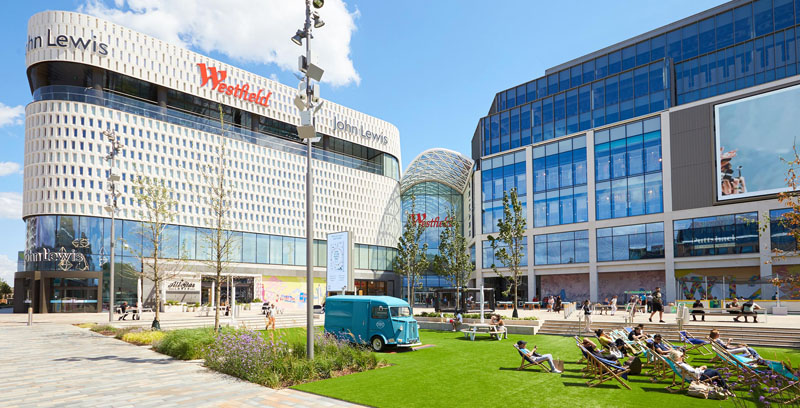
White City has undergone one of London’s most ambitious regeneration projects, transforming from an industrial centre into a district of innovation and culture. Anchored by Westfield London, the largest shopping centre in Europe, and the redeveloped BBC Television Centre, the area now blends retail, dining, entertainment, and creative workspaces. Imperial College London’s White City Campus has further cemented its reputation as a hub for science, technology, and entrepreneurship, attracting professionals and startups alike. With Central, Circle, and Hammersmith & City line connections, plus extensive bus links, it’s a well-connected and dynamic place to work. See more info on our location here.

Chiswick Park, by contrast, offers a leafy riverside setting that balances city convenience with a village-like charm. Known for its elegant streets, independent shops, riverside walks, and cultural landmarks like Chiswick House, it appeals to professionals looking for a calmer yet inspiring environment. Strong community ties, green spaces, and a reputation for excellent schools give the area a welcoming atmosphere. Transport links are equally strong, with Chiswick Park tube on the District Line, nearby rail connections to Waterloo, and easy access to central London within 25–30 minutes. To read more about Chiswick Park, read here.


If you’d like to test the honesty of this article and try for yourself, that’s an option. Click here to arrange a consultation, free of charge. Just be warned: once you’ve tried working here, the idea of going back to your kitchen table may feel… unthinkable.

A guide to the Chiswick Park area of London

Venture X Chiswick Park, set within one of London’s most attractive business hubs, offers more than just a great place to work. 

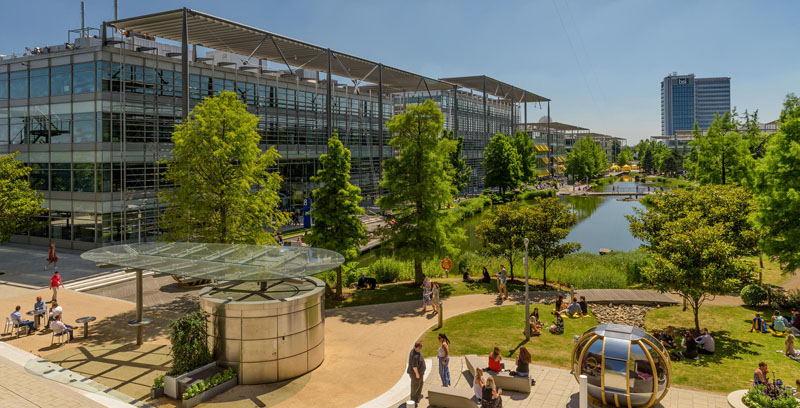
Chiswick Park itself is a purpose-built office campus designed around the idea that work should be enjoyable, with landscaped gardens, a lake, and regular events creating a lively, community feel. But beyond the park’s manicured lawns, Chiswick as an area has its own charm; a leafy, village-like district in West London that blends riverside walks, historic pubs, and high-end boutiques with excellent transport links.

The wider Chiswick area is steeped in history. Once a rural retreat for wealthy Londoners, it became home to artists, writers, and brewers alike. Fuller’s Brewery, founded here in 1845, remains a proud landmark today. 

The High Road has long been the spine of Chiswick life, offering a mile-long stretch of independent shops, cafes, and restaurants. All of this sits just minutes from the Thames Path, where you can escape the city entirely without leaving Zone 3.

So if you, um, happen to find yourself working in the fabulous Venture X Chiswick Park, what does that mean for you? Where can you grab lunch, and what’s on offer when you’ve got a spare hour? (Psst, if White City is more your style, we have a guide for that here).

Where to eat and drink around Chiswick Park

You won’t go hungry here. Chiswick’s dining scene offers everything from quick lunchtime bites to leisurely dinners. While Chiswick Park has its own cafés and pop-ups, it’s worth venturing out for a change of scenery. Here are four top picks, two of which the author has personally tried:

Napoli on the Road: Get stuffed, Italy. Europe’s best pizzeria is in Chiswick (yes, really). And yes, the prices may have gone up a bit ever since the crowning, but at least you can have no doubts about its quality. 

Gail’s Bakery: Need a morning coffee, a quick pastry, or a hearty sandwich? Gail’s has you covered. While not the cheapest option, the quality is reliably high, and it’s a short walk from Chiswick Park. Perfect for a working breakfast or a mid-afternoon pick-me-up.

The George IV: One of Chiswick’s best-loved pubs, The George IV combines a traditional atmosphere with good food and regular live events. It’s a great spot for an after-work pint or a Sunday roast, and the spacious garden is a bonus in the warmer months.

Vietnamese Little House: A bit of a hidden gem on Acton Lane, this small, friendly restaurant serves fresh, flavour-packed Vietnamese dishes at reasonable prices. The pho and summer rolls are especially good, making it a nice alternative to the area’s more common European fare.


Things to do in Chiswick during your breaks

Got an hour to spare? Or perhaps you’re planning to stay after work? Chiswick offers plenty to explore:

Chiswick House & Gardens: An 18th-century villa set in 65 acres of gardens, Chiswick House is perfect for a peaceful lunchtime stroll or a weekend wander. The gardens are free to enter – make the most of it, because anyone who knows London knows how rare it is for anything to be actually free – in spring and summer these gardens in particular are especially beautiful.

Fuller’s Brewery Tour: Just a short walk away, Fuller’s Griffin Brewery offers guided tours where you can learn about the brewing process and enjoy a tasting session. A must for beer enthusiasts.

Thames Riverside Walk: Head down to the river for a relaxing break from the office. The stretch between Chiswick and Hammersmith offers stunning views, especially at sunset, and takes you past some historic riverside pubs. 

Kew Gardens: More for if you have a whole afternoon off rather than just an hour, but oh well. Hop on the District line/Overground one stop southbound from Gunnersbury (or even better, walk) and come to Kew Gardens, one of London’s best attractions. Learn about all things botany, have a picnic, and soak in the sun in this World Heritage Site.

Chiswick High Road shopping: If retail therapy is your thing, the High Road mixes high-street names with unique independent shops. From artisan delis to bookshops, it’s easy to lose track of time here.


Other amenities at Chiswick Park

There’s a decent few other things that are useful to know about in the park itself.

Like anywhere else in London, there’s a Starbucks and a Pret in close proximity, so there’s that. Both are very good when it comes to coffee, but they’re a bit less ideal for a filling meal. Although now I think of it, Venture X has free tea and coffee if you’re a member, so I guess that only makes them good for a packet of crisps? Oh well.

There’s a Virgin Active on site if you fancy prolonging your stay in Chiswick Park past working hours, and if you’re comfortable putting your kids through the experience, there’s also a creche you can leave them in. Jokes aside, it’s pretty convenient if you ever have to come in for a few hours of work and don’t trust your babysitter.


So, if the idea of working in a well-connected, green, and genuinely pleasant part of London appeals, Venture X Chiswick Park might just be the spot for you. Click here to see what our memberships can offer – and of course, feel free to get in touch for a free viewing.

Why Working in Cafés Is Hard: A Reality Check For Remote Work

There are three inevitable things in this world: death, taxes, and if you’re in London, a Pret within a hundred metres. 

Remote work has become key to the modern career approach. With laptops replacing desks and cloud storage replacing filing cabinets, professionals now have the freedom to work from virtually anywhere. While that freedom often paints an idyllic picture of typing away in a cosy café with a flat white in hand, like always, reality is a huge disappointment.

Cafés may seem like a comfortable and convenient location to work productively, but for many remote workers, they come with a range of hidden obstacles. So, grab your venti salted caramel mocha frappuccino with five pumps of frap roast and four pumps of caramel shot, and let’s take a closer look at why cafés often fall short as reliable workspaces – and why coworking spaces are becoming the smarter alternative.

Unreliable WiFi for Remote Work

Perhaps the most critical component of remote work is a strong and stable internet connection. Most cafés offer public WiFi, but it’s rarely configured for high-volume usage. You’re often competing for bandwidth with other customers streaming videos, uploading photos, or participating in video calls.

Worse still, many cafés require customers to log in through a portal every few hours or after a session times out. These interruptions aren’t just annoying; they can be hugely inhibiting if they arise as you’re in the middle of a meeting, a file upload, or a deadline.

The Issue of Charging

You’ve ordered your overpriced latte, found a decent seat, and settled in. But when your battery dips below 20%, the anxiety sets in – because in many cafés, power outlets are few and far between. Even when you do find one, it’s often inconveniently located where it’s just too far away for your cable to reach, or already in use by someone else.

Any serious remote worker needs consistent access to power, especially during long work sessions. Constantly shuffling seats or rationing battery life by, say, dimming the brightness really really low isn’t a sustainable way to work.

Background Noise Levels

Some background noise can be pleasant – until it isn’t. At any given moment, a café can be filled with the clatter of dishes, the hiss of an espresso machine, children crying, or groups having animated conversations.

While noise-cancelling headphones help, they can’t eliminate distractions completely, and there’s no way you could wear them all day anyway without a headache. Important client calls or focused deep work demand a quieter, more predictable environment.

Limited Seating and Space

Most cafés are not designed for long-term use or productivity. During peak hours, finding a seat can feel like winning the lottery, and that’s especially the case in London. And even when you do find one, tables are small, wobbly, or poorly lit. There’s almost definitely bits of gum with yellowing old saliva stuck to the table bottoms just waiting to rub against your trousers as you sit. 

It’s not even just other remote workers, you’re up against students studying, couples on dates, or friends catching up. The pressure to give up your table can feel overwhelming, especially if you’re not constantly ordering something. 

The Cost of “Free” WiFi

Just like how “free healthcare” just forms part of a larger tax bill, the “free WiFi” offered at cafés has strings attached. Let’s be honest, most café owners expect customers like you to order something every hour or so. The unspoken rule of café etiquette dictates that a seat comes with a purchase. Over the course of a full workday, that £5 coffee every couple of hours quickly adds up to a hefty bill.

What’s more, there’s often limited food variety. If you’re working from morning to evening, surviving on caffeine and pastries isn’t exactly a recipe for sustained energy or health. After all, Starbucks coffees sometimes contain more sugar than a can of Coke.

Inflexible Hours for Remote Work

Unlike coworking spaces, cafés have rigid operating hours. Many close in the early evening or limit seating during quiet periods. Some even discourage long stays outright, with signs requesting patrons limit their time during busy hours. This lack of flexibility makes it difficult to structure your day around your most productive hours. Whether you’re an early bird or a night owl, you’re bound by someone else’s schedule. 

No Office Essentials

There you are, with your £5 cappuccino, wobbly table, dodgy WiFi and rationed battery life. Maybe you can put up with that. But, say you want to do something as simple as print a document? Checkmate. You see, cafés lack the fundamental tools remote workers often need: printers, whiteboards, private meeting rooms, or even ergonomic chairs. It’s hard to stay organised and productive without them. Need to take a client call in private? There’s nowhere to go. Need a second screen or comfortable seating for a long editing session? Good luck.

Coworking Spaces Are Built for Remote Work

Cafés might be fine for a quick email check or an occasional change of scenery, but they fall short as full-time work environments. With their unreliable internet, limited seating, background noise, and hidden costs, they can actually hinder productivity more than help it.

So next time you’re eyeing that café corner seat, ask yourself: Wouldn’t it be better to work somewhere that’s actually designed for working?

…coworking spaces, on the other hand, are purpose-built for remote work. A flexible, shared workspace could be the smartest move you make. If you’d like to know more about Venture X, explore our flexible memberships, premium amenities, and thriving business community – all designed to help you grow and collaborate. Contact us to find the right plan for you.

Why you should embrace coworking spaces as part of the return to the office

Five years after the start of the COVID-19 pandemic that popularised widespread homeworking, the pendulum is swinging back from full-time home working toward a return to the office model. Many organisations are, sometimes controversially, attempting to enforce a return to the office for 4-5 days per week. This shift presents an opportunity for coworking spaces and flexible workspace providers to offer tailored, cost-effective solutions that meet the needs of both employers and employees.

Major Companies Leading the RTO Charge

A growing number of high-profile firms have enacted stringent return to office mandates in 2024 and 2025:

  • Amazon’s escalating in-office requirement: What began as a two-day-in-office policy has now evolved into a four-day standard, whilst a full five-day return was scheduled for January 2, 2025.
  • Goldman Sachs’ full-time office mandate: As of 2024, the banking giant requires all employees to be on-site five days a week, citing the need for “full-time in office” to drive collaboration and mentorship.
  • 5 days a week required at Tesla: Musk in 2022 said that employees must work from the office at least 40 hours per week. “If you don’t show up, we’ll assume you have resigned,” he said. Strong words.

These aren’t sole examples—JPMorgan Chase, Intel, and Citigroup have adopted similar policies—plus so many more. With perhaps the exception of Fridays being a bit more lenient, most industries are already back to pre-pandemic office attendances. As a result, commuter trains as just as packed as you remember them!

Why Employers Are Mandating In-Person Work

Executives cite several evidence-backed reasons for reversing the full remote approach:

  1. Productivity Gains: Research from Harvard Business Review suggests fully remote work can be up to 10% less productive on average, due to communication lags and fewer spontaneous interactions.
  2. Improved Collaboration: In-person environments allow for quick brainstorming, on-the-fly problem solving, and stronger team cohesion.
  3. Culture and Mentorship: Face-to-face contact accelerates onboarding, informal mentoring, and cultural assimilation, reducing employee isolation and turnover.

As a result, this is why so many companies are forcing their employees back into the office, sometimes even going so far as to make threats to do so. Sometimes this has been to the annoyance of workers themselves, who had become accustomed to not having to commute and being free of the costs associated with doing so.

The Limitations of Traditional Office Leases

So, is the solution to go back to traditional office spaces? We don’t think so. Despite the RTO momentum, conventional office real estate poses challenges:

  • High Fixed Costs: Multi-year leases lock companies into large footprints, regardless of actual desk utilisation.
  • Under-utilisation: With some hybrid schedules, many seats remain empty most days.
  • Long Commutes: Employees face time-consuming, stressful commutes, potentially harming work-life balance and retention.
  • Inflexibility: Rapid scaling or downsizing is difficult when space requirements shift unexpectedly. This is an especially poor prospect for startups or smaller companies who cannot afford to risk commitments to this scale.

As such, this is why we propose the use of coworking spaces as the alternative.

Coworking Spaces: The Best of Both Worlds

Here are some common annoyances associated with traditional offices which coworking spaces can counter, as we all return to the office:

Challenge Coworking Benefit
Under-utilised desks Different membership levels allow for you to pay for as much as you’re going to use. For example, if you only need an office for a small number of days, simply get a package which affords you a few day passes!
Rigid, multi-year leases Month-to-month memberships allow organisations to adapt as they need.
High utilities and maintenance costs All-inclusive pricing covers cleaning, utilities, and security.
Long employee commutes Multiple locations close to transit hubs

Coworking spaces also include a lot of great amenities that are typically included as standard:

  • Ergonomic desks and chairs
  • High-speed internet
  • Meeting rooms
  • Printing facilities
  • Kitchen amenities
  • Daily cleaning

Furthermore, the offerings given by coworking spaces – especially in competitive areas – tend to be of the highest quality. For example, here at Venture X we are based in West London, one of the best locations worldwide to do business – many household names are based here. Naturally our services will include everything you need and more!

Other services include:

  • Reception and mail-handling services
  • Phone booths for private calls
  • Professional business addresses
  • IT support
  • Virtual office packages
  • Networking opportunities

Boost in Employee Productivity and Retention

A high-quality coworking environment can boost employee morale and productivity thanks to its dynamic atmosphere, modern amenities, and flexible schedules. A lot of outdated traditional offices don’t come with the same benefits.

Happy, productive team members are more likely to stay — reducing the costs associated with high staff turnover. In fact, studies show that employees working in coworking environments report higher job satisfaction and engagement.

Accommodations for small businesses

More than just a one man band and wish that the benefits of coworking spaces can apply to your small business? But also want a separate space for your business like as in a traditional office? Well, you’re in luck.

We make a number of accommodations for small businesses, and indeed offer packages that can provide just that.

Layout changes

Have more control on choosing the best layout for your office space, depending on how much space you need, how many people you work with, and how you like to collaborate. You can opt for an open-plan office, cubicles, or more (or even a combination of these). Like all our office spaces, you can also adjust the lighting and temperature to your comfort level.

Specific Furniture

Select the furniture that matches your staff’s needs, your budget, and ergonomics. By contacting us, we can arrange a free consultation to better determine what furniture we can provide, to ensure your office space has everything it needs to function without becoming cluttered.

On Brand Colour Schemes

Pick the colour scheme that reflects your brand, mood, and personality, from a range of colours, patterns, and textures available in different finishes and materials. Take your office space to the next level by really making it your own, giving a positive impression on clients and staff alike.

If you’re looking for a startup office solution that aligns with your budget and your growth goals, a flexible, shared workspace could be the smartest move you make. If you’d like to know more about Venture X, explore our flexible memberships, premium amenities, and thriving business community — all designed to help you grow, collaborate, and save. Contact us to find the right plan for your team.

How common is office burnout in 2025?

Ever experienced office burnout? Burnout is a state of emotional, physical, and mental exhaustion caused by excessive and prolonged stress. It occurs when you feel overwhelmed, emotionally drained, and unable to meet constant demands. As this stress continues, you begin to lose interest and motivation. Burnout reduces productivity and saps your energy, leaving you feeling increasingly helpless, hopeless, cynical, and resentful. Eventually, you may feel like you have nothing more to give.

Work-related factors can contribute significantly to burnout, especially if you have a high workload, little control over your work, or a lack of recognition for it. Your work atmosphere, commute, quality of office facilities, and desk space can also be large contributors to burnout.

As more companies push their employees to come back into traditional office spaces, which then entails long commutes and office hours of often longer than 9-5, there are more opportunities than ever for the masses to develop burnout. And that’s in the UK, too. 

Even if you are a business owner or generally work by yourself, working from home also has its fair share of challenges. Just because you don’t have the commute doesn’t mean you are exempt from the symptoms of office burnout (being cooped up inside all day never helps). As a result, we propose that a flexible coworking space can present the best of both worlds.

The symptoms of burnout

In a traditional office environment, burnout often presents with several key symptoms, each tied to specific causes.

One common symptom is chronic fatigue, which can stem from long working hours, inadequate breaks, and constant pressure to meet deadlines. Fatigue builds gradually over time to completely diminish your productivity and motivation. This can become a huge issue especially if you end up having to take home with you, or have a long commute.

Meanwhile, attitudes of cynicism or detachment can develop when employees feel undervalued, unsupported, or disconnected from the purpose of their work, especially over long periods. This can be exacerbated by setbacks in the workplace, such as being passed over for promotions.

Sleep disturbances are also frequent, typically caused by the inability to “switch off” after work due to constant emails, looming tasks, or performance anxiety. Meanwhile, physical symptoms such as headaches or gastrointestinal issues may arise from sitting for long periods, poor office ergonomics, or skipped meals due to a hectic schedule.

Has this ever sounded like you? Let’s have a look at the statistics…

Key burnout statistics from 2025

Interestingly, statistics show that over time, young people such as those aged 18-24 have developed a disproportionately higher chance of suffering office burnout compared to their older peers. 

According to Mental Health UK’s own report, 18-24 year olds are now 3x more likely than their older peers to need time off for burnout or extended stress related issues, and this proportion has been increasing; interestingly however, the percentage of total people of all ages who have experienced this has remained constant at 21%. This means that older people are in fact less likely to experience burnout, by a proportional factor to increase in likelihood for 18-24 year olds.

One reason for this could be the previously mentioned return to the office, as we talked about [here]. Many firms are wanting to boost productivity post-COVID and are shepherding their employees to come into the office usually either 4 or 5 days per week.

Naturally, this is most likely to affect younger people in the 18-24 age bracket, as they tend to occupy more junior positions within these firms. As such, they are not afforded the same luxuries as their older – and more senior – peers, including being able to work from home on occasion, or making decisions to spread their workload to others. 48% of those aged 18-24 are also expected to work some form of unpaid overtime, which could be a factor.

The report also noted a sharp drop in the percentage of young people who are willing to discuss their symptoms of burnout with their managers, down from 75% to 56%. With suicide rates still high, especially amongst young men, it’s more important than ever to remind you to put yourself and your needs first. Always take the time to speak to someone if you believe you are suffering the symptoms of burnout before it has a chance to develop into more serious problems.

How can coworking spaces decrease your risk of burnout?

If you have the luxury (or the courage!) to start your own business, coworking spaces could be a fantastic way to eliminate many of the risks above. Flexible office spaces offer a unique environment that blends the functionality of a traditional office with the flexibility of remote work as well as other benefits, which can significantly enhance work-life balance. These shared offices provide a dedicated workspace away from home, which is crucial considering that working from home isn’t always ideal for productivity. Coworking spaces can be better given that you’re working in a professional but also relaxed business environment, and without many of the distractions available at home.

With amenities like high-speed internet, meeting rooms, ergonomic furniture, communal areas and tea/coffee, they also deliver a more comfortable office environment that traditional office spaces rarely provide. These are all factors that can go a long way to reducing burnout. Furthermore, coworking spaces such as ours utilise natural light and have spacious interiors, even recreational facilities, to take care of your physical health as well.

The inherent flexibility of coworking spaces allows professionals to create a work schedule that fits their personal life, enabling them to attend to family needs or personal errands during the day, helping to improve work-life balance.

Additionally, since coworking spaces are full of like-minded professionals, there are plenty of networking opportunities. This may come in the form of casual conversation in any of the communal areas, or at dedicated networking events held by those who run the office space (we do this at Venture X!).

We can even offer our services as a virtual office if you’d still prefer to work from home, more about which can be read here – to find out more and start the process to transform your work life for the better, book a consultation today!

Other ways to prevent office burnout before it starts

While coworking spaces can make a huge difference, there are plenty of additional strategies you can use to proactively manage stress and avoid burnout. Whether you’re working remotely, from a traditional office, or anywhere in between. These tips are backed by experts and can help create a healthier, more sustainable approach to work.

  1. Prioritise rest and recovery.
    Burnout often creeps in when we don’t give ourselves enough time to rest. Make sure you’re getting adequate sleep each night and carving out downtime in your schedule – even if it’s just a walk, a nap, or ten minutes away from screens. Overworking yourself to the point of exhaustion might seem productive short-term, but it’s one of the quickest routes to burnout.
  2. Set clear boundaries.
    It’s essential to set limits on your working hours, especially if you’re working from home or constantly connected through emails and messaging apps. Let colleagues and clients know when you’re available, and stick to it. That includes turning off notifications after hours and resisting the urge to “just check” your inbox at 10pm.
  3. Move your body regularly.
    Even short bursts of physical activity during the day can dramatically improve your energy, mood, and ability to focus. Whether it’s a lunchtime walk, a yoga stretch, or a quick cycle to the shops, movement releases endorphins that help counteract the effects of stress and screen fatigue.
  4. Make time for things that bring you joy.
    Hobbies, creative outlets, and time with loved ones are not luxuries – they are essential to your mental well-being. Carving out space for joy and connection outside of work is one of the most powerful ways to build long-term resilience.
  5. Talk about how you’re feeling.
    Whether it’s with a trusted friend, coworker, therapist, or manager, sharing how you’re feeling can release tension and give you clarity. You don’t have to wait until you’re at breaking point – early conversations often lead to the support you need before burnout takes hold.
  6. Take regular breaks throughout your day.
    The human brain is not wired to focus for hours on end. Try using techniques like the Pomodoro Method (25 minutes focused work, 5-minute break) to stay productive without pushing yourself into overdrive. And don’t forget to take a proper lunch break, away from your desk if possible.

Discover a Healthier, More Sustainable Way to Work and Prevent Office Burnout

Burnout isn’t just a buzzword, it’s a growing reality for professionals of all ages, especially in today’s fast-paced, always-on culture. Whether you’re feeling the early signs or simply want to prevent them before they start, making small, intentional changes can completely transform how you work and feel day to day.

At Venture X, we believe that where you work plays a huge role in how you work. Our flexible coworking spaces are designed to help you thrive – with natural light, inspiring interiors, spacious desks, wellness-focused amenities, and a community of ambitious professionals to connect with.

Whether you’re a freelancer, remote worker, startup team, or small business owner, we’re here to support your success – and your wellbeing.

Book a tour today or schedule a free consultation to see how Venture X can help you create a better, healthier way of working.

Why West London Is a Strategic Powerhouse for Business Growth

In recent years, West London has become more than just a desirable postcode — it’s evolved into one of the most dynamic commercial zones in the UK. All over, the area is not only a good looking part of the city but also teeming with activity and opportunity. But beyond the glossy surface, what makes West London such a smart base for growing a business?

You see, West London has long had a reputation for affluence. I mean, where else would you find people willing to pay for the stuff at Whole Foods? In terms of business, it’s home to a whole host of corporations, many of which are household names, but it’s no longer just a place for established firms to plant roots. Today, it offers a unique combination of connectivity, innovation infrastructure, and access to capital that makes it equally attractive for ambitious startups. Districts like Hammersmith, White City, and Chiswick are home to much exciting commercial possibility.

Now, let’s unpack the key reasons why West London is becoming a top-tier destination for business.

West London has high levels of investment

Thanks to major regeneration projects such as the White City Innovation District, Television Centre, and the broader Old Oak and Park Royal Development Corporation (OPDC) initiative, West London is undergoing one of the most significant transformations in the capital. White City in particular has become a magnet for cutting-edge companies and forward-thinking institutions. Once known primarily for its broadcasting legacy and stadium, the area is now emerging as a thriving cluster of biotech, digital media, AI, and life sciences firms. Pretty neat, huh? Especially considering how poorly the UK is doing in general…

In another example, the White City Innovation District, led in partnership with Imperial College London, has seen hundreds of millions of pounds in investment, with new lab and office space, enterprise incubators, and public-private collaborations all working to attract startups and global firms alike. The Scale Space campus, for instance, offers tailored support for scaling tech and science businesses, housing both early-stage ventures and established names such as Autolus, a clinical-stage biotech firm, and Novartis, which recently established a UK headquarters in the area.

Just next door, the regenerated BBC Television Centre has become an important creative hub. If you’re annoyed after watching any of their half-baked content and want to track down who is responsible, now you know!

What sets West London apart is the scale and flexibility of this transformation. Unlike East London’s Shoreditch or Canary Wharf, where available space is becoming scarce and expensive, West London still has capacity — both physically in terms of development plots, and financially, in terms of cost-efficiency relative to other premium zones. 

West London has great access to education

West London is directly connected to one of the world’s top-tier research and innovation institutions, one that has outperformed even Oxford and Cambridge at times in the past. We’re of course talking about Imperial College London. Imperial’s White City Campus is a purpose-built centre for entrepreneurship, deep tech, life sciences, and AI-driven R&D, offering startups and SMEs direct access to talent, research facilities, and collaborative opportunities. Imperial also operates Imperial Enterprise Lab and Imperial White City Incubator, which actively support spinouts, student entrepreneurs, and scale-ups through funding, mentorship, and facilities.

Beyond Imperial, the area enjoys rapid transport links to several of the UK’s most prestigious universities: University College London (UCL) and London School of Economics (LSE) are under 30 minutes away via tube, and Oxford, Cambridge, and Reading are reachable within an hour by train. This makes West London one of the most strategically located zones for businesses seeking to recruit elite graduates, engage in university-led innovation projects, or partner on cutting-edge research.

This proximity translates into a continuous influx of skilled graduates, PhD researchers, and international specialists across fields like engineering, data science, biosciences, and creative disciplines. Combined with West London’s long-standing diversity — both culturally and professionally — the result is a workforce that’s not only well-educated but also globally minded and well adapted to many sectors .

Moreover, the area’s talent is amplified by a rising culture of collaboration and flexible work. Coworking spaces like Venture X provide curated events, startup mentorship, and networking environments that bring together founders, freelancers, investors, and corporates across sectors. 

We here at Venture X have two such offices in West London that can provide all this and more.

Our offices are located in Chiswick Park and White City, both of which are at the heart of West London talent.

So, if you’re interested, get in touch! We can arrange a free consultation to try to determine the best office space for you given the needs of your business, your staff and your budget.

Health and Wellness in Coworking: A Wellbeing-Focused Workspace

The concept of coworking spaces has revolutionised the way professionals approach work. More than just shared offices, coworking spaces provide great facilities and networking opportunities. But, as the lines between work and personal life continue to blur, the significance of coworking health and wellness has never been more paramount. Today, the best coworking spaces don’t just cater to productivity – they also promote wellbeing-focused workspaces for their members.

The Growing Need for Wellbeing-Focused Workspaces

In a fast-paced professional world, health and wellness are often sacrificed in the pursuit of goals and deadlines. As many of you have likely experienced, this is particularly true in traditional office settings where long hours, poor lighting, and suboptimal ergonomics contribute to physical and mental fatigue. The very best coworking spaces, however, take the opportunity to redefine the narrative. 

But why is this so critical? While imperfect, studies have shown that environments designed with health and wellness in mind lead to increased productivity, reduced stress levels, and higher overall satisfaction. In fact, those who invest in employee wellbeing see a significant return on investment through increased efficiency and morale.

The Importance of Ergonomic Furniture

One of the foundational elements of a healthy office environment is ergonomic furniture. Unlike traditional setups, coworking spaces often prioritise adjustable desks, supportive chairs, and other ergonomic solutions that promote proper posture and reduce the risk of musculoskeletal issues.

Incorporating standing desks, for instance, has become a popular trend in coworking spaces. These desks allow members to alternate between sitting and standing, reducing the negative health impacts of prolonged sitting. It can help:

– Improved Posture: Ergonomic furniture helps maintain the natural alignment of the spine, reducing strain on the back and neck.

– Increased Comfort: Adjustable seating and desks cater to individual preferences, ensuring maximum comfort throughout the workday.

– Enhanced Productivity: Comfortable workstations minimise distractions, allowing members to focus better on their tasks.

Natural Lighting and Its Benefits

Natural lighting is more than just a design choice, it’s an underrated aspect of wellbeing-focused workspaces. I mean, who seriously thinks of light first and foremost when they think of wellbeing? It’s easy to overlook.

Exposure to natural light helps to boost moods in the workplace – if you’ve ever had to work under those horrible fluorescent lights found in traditional offices, you’ll know what we mean. 

For coworking spaces, incorporating large windows and open layouts can significantly impact the wellbeing of members. For example, our White City location has wide glass windows and a large balcony!

Some benefits of natural lighting:

– Better Mood: Sunlight stimulates the production of serotonin, a hormone that boosts mood and helps maintain a positive outlook.

– Reduced Eye Strain: Natural light is easier on the eyes compared to artificial lighting, reducing fatigue and discomfort.

– Enhanced Productivity: Workers exposed to natural light tend to be more alert and focused.

A Cherry on Top: On-Site Fitness Facilities

In an era where more people sit on their asses than ever before, physical activity is an increasingly scarce component of overall wellbeing. Since sitting down for large stretches of the day is so common, coworking spaces that offer on-site fitness facilities are a step ahead in creating healthy office environments. 

These facilities range from fully-equipped gyms to yoga studios and even outdoor spaces for running or cycling. For example, there are such facilities near our Chiswick Park location!

Take advantage of:

– Improved Physical Health: Regular exercise helps combat sedentary lifestyles, reducing the risk of chronic illnesses.

– Stress Relief: Physical activity releases endorphins, which help alleviate stress and improve mood.

– Community Building: Group fitness classes or shared workout spaces encourage social interaction. Who knows, maybe you get a business opportunity out of it?

The Business Case for Wellness in Coworking

From a business perspective, investing in coworking health and wellness is not just a metropolitan fad like some would have you believe, it’s a strategic advantage. The features of wellness-focused workspaces attract a diverse range of members, from startups and small businesses to remote teams and individual freelancers. 

These spaces stand out in a competitive market and enjoy higher retention rates and member satisfaction. Workers are more likely to join if the benefits of their workspace are well advertised. Furthermore, wellness initiatives often lead to positive word-of-mouth, which in turn boosts the reputation and profitability of coworking spaces.

As coworking spaces continue to evolve, the very best will be separated by their ability to prioritise wellness measures for potential members. This includes features we’ve talked about like ergonomic furniture, natural lighting, on-site fitness facilities, and mental health support.

In a world where work-life balance is increasingly elusive, the healthy office environments found in top coworking spaces offer a solution that bridges the gap. They provide a space where professionals can pursue their goals while taking care of their physical, mental, and emotional wellbeing. 

The coworking revolution has always been about more than just desks and Wi-Fi—it’s much more than that.  Coworking spaces that embrace this wellness-focused approach will undoubtedly shape the future of work, creating happier, healthier, and more fulfilled communities. 

The challenge now is not just to keep up with this trend, but to innovate and redefine what it means to truly care for the people who walk through their doors.


Here at Venture X, we’d argue that we’re a coworking space that really puts our members’ wellness first. The top features that promote wellness can be found in both our glamorous Chiswick Park and Venture X locations. If you’d like to know more about our facilities and packages, look here.

Please select a location

Please select a location

Please select a location